
How to Know If a Chinese Restaurant Uses Fresh Ingredients
Table of Contents
- Introduction
- Why Fresh Ingredients Matter in Chinese & Indo-Chinese Cuisine
- First Impressions
- The Smell Test
- Visual Signs of Fresh Ingredients on Your Plate
- Taste & After-Meal Feeling
- Consistency in Dine-In & Takeaway
- Restaurant Transparency & Reputation
- Food Safety Awareness in India
- Conclusion
- FAQs
When you step into a Chinese restaurant, the aroma of garlic, soy sauce, and sizzling vegetables instantly sets your expectations. But have you ever wondered how to truly know if the food is made with fresh ingredients? As food lovers in Ghaziabad, we all want meals that are flavorful, hygienic, and safe for our families. Whether you are dining in, ordering takeaway after work, or planning a weekend meal with friends, freshness plays a major role in taste and health.
In this guide, we will help you identify the clear signs of freshness in a Chinese or Indo-Chinese restaurant so you can make a confident and informed dining choice.
Why Fresh Ingredients Matter in Chinese & Indo-Chinese Cuisine
Chinese cuisine relies heavily on crisp vegetables, freshly prepared sauces, quality oils, and balanced seasoning. Unlike heavily processed fast food, authentic Chinese dishes depend on natural flavors and texture. Fresh cabbage should have a slight crunch. Bell peppers should be vibrant and firm. Dumplings should taste light and clean, not greasy or stale.
When ingredients are fresh, the food tastes better, feels lighter on the stomach, and delivers a more satisfying experience. On the other hand, low-quality or stored ingredients can make dishes overly salty, oily, or bland.
First Impressions
Before you even look at the menu, observe the restaurant environment. A clean and organized dining area often reflects how the kitchen operates behind the scenes.
- Are the tables and floors clean?
- Is the serving area well-maintained?
- Do the staff members follow basic hygiene practices like wearing clean uniforms?
- Does the space feel fresh and well-ventilated?
If the visible areas are properly maintained, there is a higher chance that the kitchen hygiene standards are equally strong.
The Smell Test
Your nose is one of the most powerful tools for detecting freshness. Fresh Chinese food smells savory, aromatic, and slightly smoky from stir-frying. It should never smell sour, burnt, or excessively oily.
A strong stale oil smell may indicate reused cooking oil, which affects both taste and health. Freshly cooked dishes should have a clean and inviting aroma that makes you hungry—not uncomfortable.
Visual Signs of Fresh Ingredients on Your Plate
Bright & Vibrant Vegetables
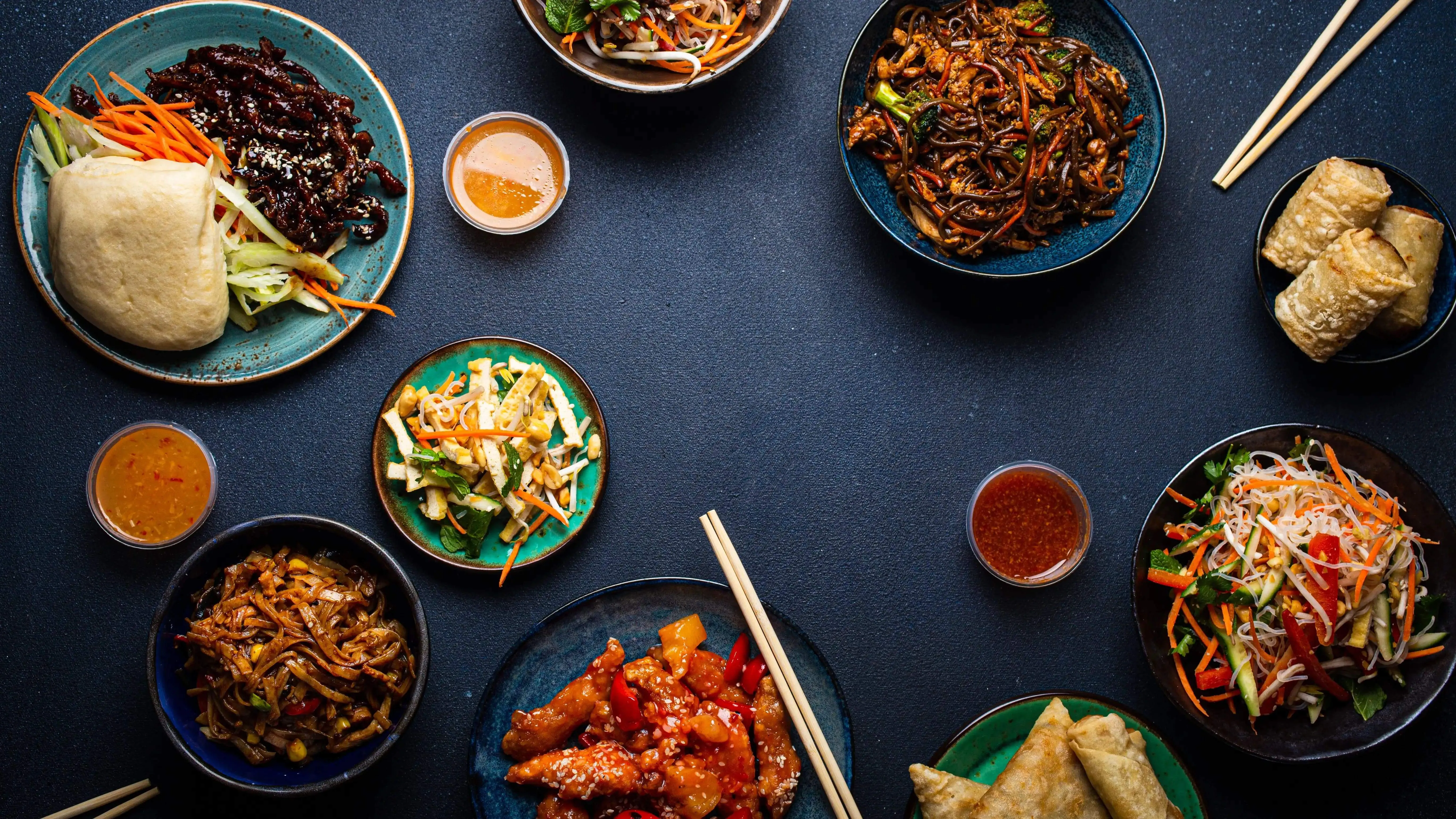
When your dish arrives, look closely. Fresh vegetables should be colorful and slightly crisp. In dishes like Veg Manchurian or Special Veg Noodles, carrots should appear bright, capsicum should look green and firm, and cabbage should not be overly soft or dull. Pale, soggy vegetables often suggest that they were pre-cooked long before serving.
Proper Texture & Temperature
Freshly prepared Chinese food is served hot and steaming. Crispy items like chili potatoes should actually be crispy—not chewy or soggy. Noodles should feel soft but not sticky or clumped together. Texture plays a big role in identifying whether food has been freshly made.
Taste & After-Meal Feeling
Fresh ingredients create balanced flavors. The dish should not taste overwhelmingly salty, spicy, or artificial. Instead, you should experience a blend of flavors—garlic, soy sauce, vegetables, and spices working together harmoniously.
Another important indicator is how you feel after eating. Fresh food should leave you satisfied but not overly heavy or bloated. Excess oil or artificial additives often cause discomfort later.
Consistency in Dine-In & Takeaway
Freshness should remain consistent whether you dine in or order takeaway. Reliable restaurants ensure proper packaging so food stays hot and maintains its texture during delivery. If the takeaway quality matches the dine-in experience, it reflects strong operational standards and attention to ingredient quality.
Restaurant Transparency & Reputation
Trustworthy Chinese restaurants are open about their cooking practices. They prepare sauces carefully, source vegetables regularly, and avoid excessive reuse of oil. Customer reviews can also give you valuable insight.
When multiple reviews consistently mention "fresh taste," "clean environment," or "hygienic food," it indicates that the restaurant prioritizes quality and safety. In cities like Ghaziabad, where families and professionals seek reliable dining options, reputation plays a key role in decision-making.
Food Safety Awareness in India
Modern consumers are more health-conscious than ever. Restaurants are expected to follow proper storage temperatures, safe food handling procedures, and hygienic preparation methods. Choosing a restaurant that visibly maintains cleanliness and serves vibrant, flavorful food ensures you and your loved ones enjoy a safe dining experience.
Conclusion
The next time you visit a Chinese restaurant, take a moment to observe. Look at the cleanliness, smell the aroma, examine the colors on your plate, and trust your taste buds. Fresh ingredients make all the difference in flavor, safety, and overall satisfaction. When a restaurant truly prioritizes quality, hygiene, and authentic taste, you will notice it in every bite. Because great Chinese food isn't just about bold flavors—it's about freshness you can trust.
FAQs Related to How to Know If a Chinese Restaurant Uses Fresh Ingredients
1. How can I tell if vegetables are fresh in Chinese food?
Fresh vegetables appear bright, slightly crisp, and evenly cooked. Dull or overly soft vegetables may indicate older ingredients.
2. Does fresh Chinese food taste lighter?
Yes. Freshly prepared dishes taste balanced and clean without excessive oil or artificial flavoring.
3. Is a strong oil smell a warning sign?
Yes. A burnt or stale oil smell may indicate reused oil, which affects both taste and hygiene.
4. Is takeaway food less fresh than dine-in?
Not necessarily. A quality restaurant maintains the same ingredient standards for both dine-in and delivery.
5. Why do some Chinese meals feel heavy?
Excess oil, preservatives, or low-quality ingredients can cause heaviness and discomfort after eating.