
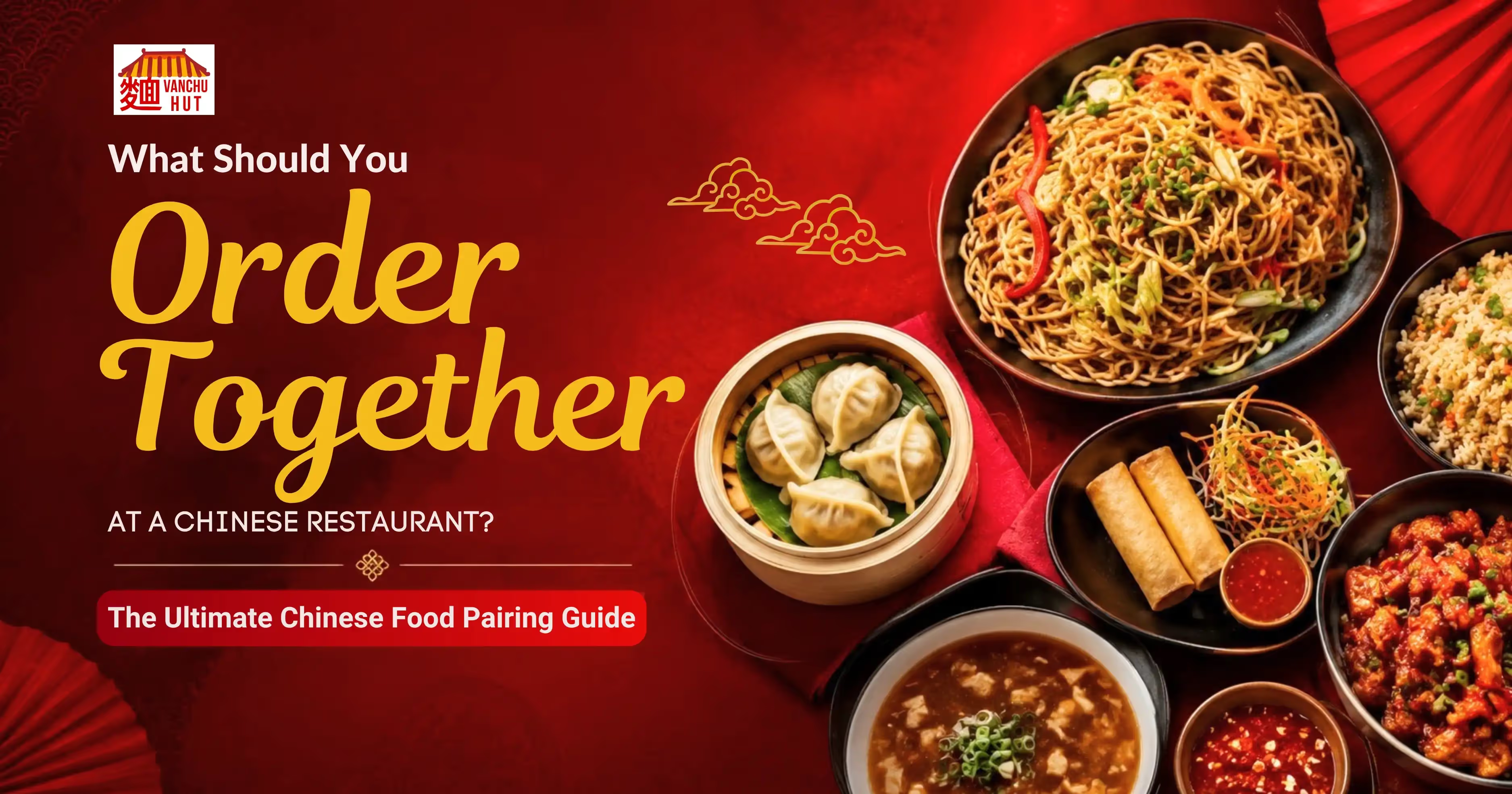
What Should You Order Together at a Chinese Restaurant? The Ultimate Chinese Food Pairing Guide
Table of Contents
- What Is Chinese Food Pairing, and Why Does It Matter?
- What Happens When You Don't Pair Chinese Dishes Well?
- What Are the Best Soup and Starter Pairings at a Chinese Restaurant?
- Which Soups Pair Best with Fried and Crispy Starters?
- What Starters Should You NOT Pair Together?
- What Are the Best Main Course Pairings: Noodles, Rice, and Sides?
- Which Dishes Pair Best with Noodles?
- Which Dishes Pair Best with Fried Rice?
- What Are the Best Dish Combinations for Different Group Sizes?
- What Should a Couple Order at Vanchu Hut?
- What Should a Family of Four Order?
- What Should a Group of Friends Order for a Party?
- Which Chinese Dishes vs. Which Occasions: What to Order and When?
- Comfort Food on a Rainy Day
- A Celebratory Group Dinner
- A Quick Solo Lunch
- First Visit with Parents or In-Laws
- Is Chinese Food Good for Vegetarians? Best Vegetarian Pairings Explained
- What Are the Best All-Vegetarian Pairings at a Chinese Restaurant?
- Conclusion
- FAQs Related to Chinese Food Pairing
When it comes to Chinese dining, what you order together matters just as much as what you order at all. Chinese cuisine is built on the philosophy of balance, pairing a rich dish with a light one, a spicy starter with a cooling soup, crispy textures with silky sauces, and getting these combinations right transforms a good meal into an unforgettable one. Whether you're visiting Vanchu Hut for the first time or you're a regular looking to upgrade your usual order, this guide will help you eat like a pro.
What Is Chinese Food Pairing, and Why Does It Matter?
Chinese food pairing is the art of selecting dishes that complement, balance, and elevate each other when eaten together. Unlike Western dining, where a single main course often stands alone, traditional Chinese meals are composed of multiple dishes shared simultaneously at the table. Each dish has a role to play: one provides richness, another brings brightness, one adds crunch, and another delivers heat. When these roles are filled thoughtfully, every bite improves the one before it. The pairing philosophy comes directly from Chinese culinary tradition, which believes food should achieve harmony across five dimensions: flavor (sweet, salty, sour, spicy, umami), texture (crispy, silky, chewy, tender), temperature (hot, warm, cool), color (visual appeal signals nutritional variety), and richness (heavy dishes balanced by light ones). For Indian diners already accustomed to the thali system, where multiple distinct tastes sit on the same plate simultaneously, this philosophy feels deeply intuitive. You already know that dal, sabzi, pickle, and raita belong together not just by habit, but because they balance each other. Chinese food pairing works on exactly the same logic.
What Happens When You Don't Pair Chinese Dishes Well?
The most common ordering mistake at a Chinese restaurant is ordering all in one flavor register, for example, choosing Veg Manchurian, Chili Potato, and Schezwan Noodles together. All three are delicious individually. But together, they create a meal that is relentlessly spicy, fried, and heavy, with no counterpoint of lightness, warmth, or creaminess to refresh the palate between bites. By the time you reach the noodles, flavor fatigue has already set in. Good pairing prevents this, and it doesn't require any culinary expertise. It just requires knowing a few simple principles, which this guide will walk you through section by section.
What Are the Best Soup and Starter Pairings at a Chinese Restaurant?
Which Soups Pair Best with Fried and Crispy Starters?
The rule: Pair crispy, fried starters with mild, warming soups. Rich fried items need a light, clear counterpart, not a thick, cream-based soup that doubles the heaviness. The pairings that work: - Crispy Chili Potato + Sweet Corn Soup: This is one of the most satisfying combinations you can order at Vanchu Hut. Crispy Chili Potato is bold, spicy, and heavily textured, crunchy potato fingers tossed in a tangy, fiery sauce. Sweet Corn Soup counters it perfectly: it's warm, mildly sweet, and smooth, giving your palate a soft landing between each bite of chili potato. The sweetness of the corn tempers the chili heat without eliminating it entirely. - Spring Rolls + Hot and Sour Soup: Spring rolls are light and crispy with a relatively mild filling of vegetables, glass noodles, and aromatics. Hot and Sour Soup is tangy, slightly spicy, and deeply savory, with silken tofu and mushrooms adding body. The soup's acidity cuts through the oil from the fried rolls and resets your appetite for each subsequent bite. This pairing is particularly popular in North India and works beautifully as a starter combination for two to share. - Steamed Momos + Manchow Soup: Steamed Dumplings (Momos) are soft, delicate, and mild, especially the vegetarian varieties stuffed with cabbage, ginger, and mixed vegetables. Manchow Soup is the bolder counterpart: thick, spicy, and topped with crispy fried noodles that add textural contrast. The soup's richness complements the gentle flavor of the dumplings without overwhelming them, while the dumplings' softness balances the soup's density.
What Starters Should You NOT Pair Together?
Avoid ordering two deep-fried starters together for example, Spring Rolls and Chili Potato as your sole starters. Both are heavy, oily, and spice-forward. Without a soup to lighten the experience, you'll arrive at your main course already fatigued. Instead, pair one fried starter with one steamed option (momos), or replace a second starter with a soup entirely.
What Are the Best Main Course Pairings: Noodles, Rice, and Sides?
Which Dishes Pair Best with Noodles?
Noodles are the heart of the menu at Vanchu Hut, from Special Veg Noodles to Hakka-style preparations, and they work best alongside dishes that provide contrasting richness and sauce. - Hakka Noodles + Veg Manchurian (Gravy): This is the single most popular pairing in Indian-Chinese cuisine, and for very good reason. Hakka Noodles are stir-fried, smoky, and relatively dry. The wok-tossed texture gives them a satisfying bite without a sauce to weigh them down. Veg Manchurian in gravy provides exactly what the noodles need: a rich, tangy, slightly sweet sauce that can be spooned over the noodles or eaten alongside them. The soft, saucy Manchurian balls contrast beautifully with the firm, slightly chewy noodles. Together, they create a complete, balanced plate. - Schezwan Noodles + Steamed Dimsums: Schezwan Noodles are intensely spiced, fiery, garlicky, and packed with wok flavor. Pairing them with another spicy dish amplifies the heat without adding balance. Instead, pair them with Steamed Dimsums: mild, soft, and gentle. The dumplings give your palate periodic relief from the heat, making the overall meal more enjoyable and the noodles taste even more vibrant by contrast. - Veg Noodles + Crispy Fried Rice: If your group wants both noodles and rice, make them contrasting: pair soft, saucy noodles with Crispy Fried Rice (where grains are dry and separated), or vice versa. The difference in texture keeps the meal interesting throughout.
Which Dishes Pair Best with Fried Rice?
Fried Rice, especially the Special Veg Fried Rice at Vanchu Hut, is already a complete, well-seasoned dish. It doesn't need another heavily sauced companion that will make it soggy or flavor-confused. What it needs is a dish with a defined, contrasting identity. - Veg Fried Rice + Chili Paneer (Dry): This pairing works because of the texture and heat contrast. Fried Rice is fluffy, mild, and slightly eggy (in the non-vegetarian version) or nutty and vegetable-forward. Dry Chili Paneer is bold, crispy, and spiced. Each cube of paneer brings a burst of flavor that the rice softens and absorbs. The paneer acts like a protein-rich accompaniment that gives the rice "something to eat with." - Veg Fried Rice + Mushroom in Black Bean Sauce: Black Bean Sauce is one of Chinese cuisine's most sophisticated flavor profiles salty, fermented, deeply umami, and mildly sweet. Mushrooms absorb the sauce beautifully. Together with fried rice, this combination creates a meal that feels genuinely restaurant-quality: the rice provides a neutral, warm base while the mushrooms deliver concentrated, complex flavor in every bite. - Fried Rice + Hot and Sour Soup: Never underestimate the value of a bowl of soup alongside fried rice. Hot and Sour Soup provides the acidity and lightness that fried rice lacks, and it turns what might feel like a simple single-dish order into a satisfying, well-rounded meal.
What Are the Best Dish Combinations for Different Group Sizes?
What Should a Couple Order at Vanchu Hut?
For two people, the ideal order covers three elements: one soup, one starter, and one or two mains. Over-ordering is the biggest couples' mistake. Chinese dishes are more satisfying than they appear on the menu. Recommended Couple's Spread: - Sweet Corn Soup (shared) - Steamed Momos (6 pieces, shared) - Special Veg Noodles (1 portion) - Veg Manchurian Gravy (half portion or regular, spooned over noodles) This combination spans mild (soup), soft and steamed (momos), and bold-savory (noodles + Manchurian), all four flavor registers covered without over-ordering. Total cost at Vanchu Hut remains well within an affordable range, making it an ideal date-night or casual dinner order.
What Should a Family of Four Order?
For families, especially with children, the priority is range: something mild for kids, something spicy for adults, something sharable, and something everyone agrees on. Recommended Family Spread (4 people): - Manchow Soup (1 large, shared) - Spring Rolls (4–6 pieces, shared) - Steamed Momos (6 pieces, shared) - Special Veg Noodles (1 portion) - Veg Fried Rice (1 portion) - Veg Manchurian Gravy (1 portion, shared between noodles and rice) - Crispy Chili Potato (1 portion) This spread ensures the children have mild, approachable options (noodles, fried rice, momos) while adults enjoy the bolder flavors. The Manchurian gravy serves double duty, spooned over noodles for some, over rice for others.
What Should a Group of Friends Order for a Party?
For groups of 6 or more, lean into the Chinese communal dining spirit fully: order more dishes than you think you need, all placed at the center of the table. Recommended Group Spread (6 people): - Hot and Sour Soup (1 large pot) - Spring Rolls + Momos (both varieties) - Chili Potato (1 large portion) - Hakka Noodles (1–2 portions) - Schezwan Fried Rice (1 portion) - Veg Manchurian Gravy (1 large portion) - Mushroom or Paneer in sauce (1 portion) The variety ensures something for everyone, the shared format encourages conversation, and the price-per-head at Vanchu Hut makes this kind of generous ordering genuinely affordable.
Which Chinese Dishes vs. Which Occasions: What to Order and When?
Comfort Food on a Rainy Day
Best order: Hot and Sour Soup + Steamed Momos + Hakka Noodles When it's cold and grey outside, the last thing you want is deep-fried and spicy. Steamed momos are the perfect rainy-day food warm, soft, and satisfying without heaviness. Hot and Sour Soup adds heat and tang that feels like a hug in a bowl. And a plate of simply sauced Hakka Noodles rounds it out. This is Vanchu Hut at its most comforting.
A Celebratory Group Dinner
Best order: Full spread with contrasting dishes ensure one dish from each category: soup, crispy starter, steamed item, sauced side, noodle or rice base.
A Quick Solo Lunch
Best order: Veg Fried Rice + Small Manchow Soup Fast to prepare, satisfying, well-balanced, and easy to eat alone. The soup stops the rice from feeling dry or lonely, and together they provide a complete, nutritious lunch within minutes.
First Visit with Parents or In-Laws
Best order: Sweet Corn Soup + Spring Rolls + Fried Rice + Veg Manchurian This is the "safe and crowd-pleasing" spread, nothing too experimental, nothing too spicy, familiar flavors that almost any palate enjoys. It's also a great introduction to the Vanchu Hut menu for first-time visitors.
Is Chinese Food Good for Vegetarians? Best Vegetarian Pairings Explained
What Are the Best All-Vegetarian Pairings at a Chinese Restaurant?
Pairing 1: Sweet Corn Soup + Steamed Veg Momos + Special Veg Noodles Mild, warming, and deeply satisfying. This combination covers all three essential elements: liquid, protein (from momos), and carbohydrate staple, without a single drop of non-vegetarian ingredient. It's also the ideal combination for vegetarian diners dining with non-vegetarians, since the dishes are complete enough that nobody misses the meat. Pairing 2: Manchow Soup + Crispy Chili Potato + Veg Fried Rice For vegetarian diners who want bold flavor, this combination delivers. Manchow Soup is thick and intensely savory. Chili Potato brings the heat and crunch. And Fried Rice provides the neutral, starchy base that absorbs and moderates both. The entire spread is vegetarian, affordable, and genuinely exciting. Pairing 3: Hot and Sour Soup + Spring Rolls + Hakka Noodles + Veg Manchurian The classic full vegetarian spread for two to four people. This order covers every texture (crispy rolls, silky soup, chewy noodles, soft Manchurian) and every flavor profile (sour, sweet, savory, spicy). It's everything a complete Chinese meal should be entirely plant-based. At Vanchu Hut in Pratap Vihar, our vegetarian menu is extensive and thoughtfully prepared, with fresh ingredients and traditional techniques ensuring that vegetarian options feel genuinely satisfying rather than afterthoughts.
Conclusion
Great Chinese food pairing comes down to one idea: contrast and balance. Every meal should have something light and something rich, something crispy and something soft, something bold and something mild. Use soup as your meal's foundation. Pick one staple (noodles or rice, not both). Add one sauce-based side and one dry or crispy item. Start with a steamed option. When you visit Vanchu Hut at Ghaziabad, use this guide as your ordering map. The menu is designed with variety in mind, and the kitchen is built for exactly this kind of composed, balanced Chinese dining experience.
FAQs Related to Chinese Food Pairing
- Should I order both noodles and rice at the same meal?
Generally no choose one as your staple. If your group specifically wants both, pair a dry, stir-fried noodle with a saucier rice dish for textural contrast. - Can I mix Schezwan and non-Schezwan dishes in the same order?
Yes and it's actually recommended. Schezwan dishes are intensely spiced, so pairing one Schezwan item with one milder companion (plain momos, sweet corn soup, or regular fried rice) creates balance and prevents flavor fatigue. - Is soup necessary, or can I skip it?
Soup isn't mandatory, but it significantly improves the meal experience. Even a small portion of Sweet Corn or Hot and Sour Soup adds warmth, liquid balance, and palate-cleansing acidity that makes every other dish taste better. - Should I order gravy or dry Manchurian?
It depends on what you're eating alongside it. Gravy Manchurian pairs best with noodles or fried rice (the sauce integrates with the base). Dry Manchurian works better as a standalone starter or alongside a soupier dish. - Can I order the same dish in both vegetarian and non-vegetarian versions for a mixed group?
Most good Chinese restaurants can prepare parallel versions and at Vanchu Hut, both vegetarian and non-vegetarian options are prepared with the same care and quality, making mixed-group dining completely seamless.